
About us page

Doberman Pinschers HealthCare and Tips
Welcome to our comprehensive guide on Doberman Pinscher health care! As a proud owner of this intelligent and loyal breed, it’s essential to understand their unique health needs and how to keep them happy and healthy. Below, you’ll find valuable tips and information to help you care for your Doberman Pinscher

Regular Check Ups
- Frequency
Schedule annual check-ups for adult Dobermans and bi-annual visits for seniors (7 years and older).
- Vaccinations
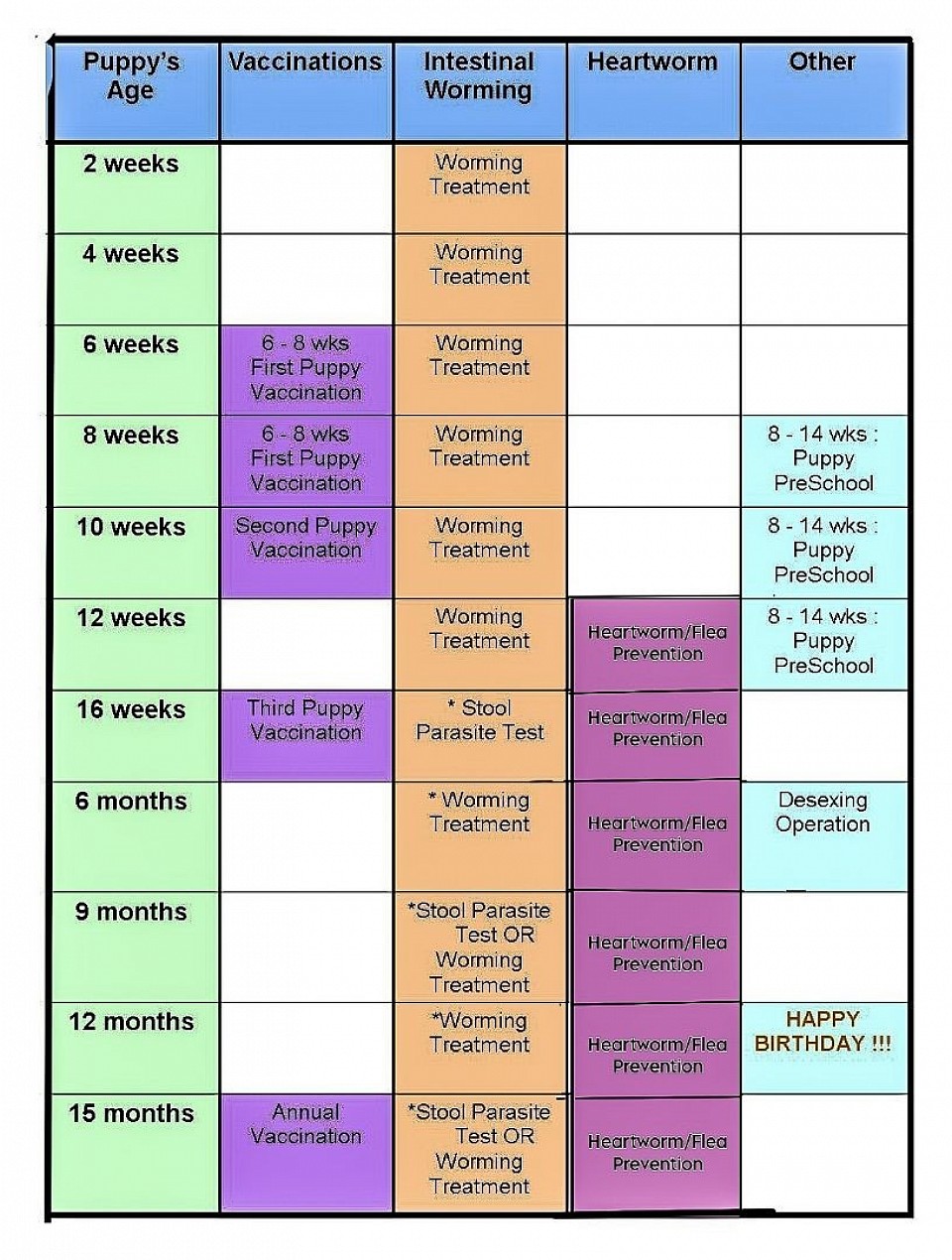
Ensure your Doberman is up-to-date on vaccinations, including rabies, distemper, parvovirus, and Bordetella.
- Parasite Control
Discuss flea, tick, and heartworm prevention with your veterinarian.
Nutrition

- High-Quality DietFeed your Doberman a balanced diet formulated for large breeds. Look for high-quality protein sources and avoid fillers like corn and soy.
- Portion Control
Follow feeding guidelines based on your dog’s age, weight, and activity level to prevent obesity.
-
Hydration
Always provide fresh, clean water to avoid potential spreading of internal parasite infestation
Exercise

- Daily Activity
Dobermans are active dogs that require at least 1-2 hours of exercise daily. Engage in activities like walking, running, or playing fetch.
- Mental Stimulation
Incorporate puzzle toys, obedience training, and agility exercises to keep their minds sharp.
Common Health Issues
- Hip Dysplasia
A genetic condition where the hip joint doesn’t fit properly into the hip socket.
Prevention:
Maintain a healthy weight and provide joint supplements as recommended by your vet.
- Dilated Cardiomyopathy (DCM)
A heart condition that affects the heart muscle, leading to decreased ability to pump blood.
Watch for coughing, lethargy, and difficulty breathing. Regular veterinary check-ups can help with early detection.
- Von Willebrand’s Disease
A bleeding disorder caused by a deficiency in a clotting protein.
- Testing
All the breeding adults within Meyers Dobermans have been tested and screened to find the best possible mate for optimal litters. But it is best to have your puppy tested embark or your Vet so we can have up to date records for all Doberman Pinscher Research, even if you don't plan on breeding.
- Skin Issues
Dobermans can be prone to allergies, hot spots, and skin infections.
## Care Tip:##
Regular grooming and bathing with hypoallergenic shampoos can help maintain skin health.

Grooming

- Brushing
Brush your Doberman’s short coat weekly to remove loose hair and reduce shedding.
- Nails
Trim nails every 3-4 weeks to prevent overgrowth and discomfort.Use a quality dog nail clipper and be cautious of the quick (the pink part of the nail).
- Teeth
Brush your Doberman’s teeth at least 2-3 times a week to prevent dental disease.. Provide dental chews or toys to help reduce plaque buildup.
- Bathing
Bathe as needed, typically every 4-6 weeks, using a gentle dog shampoo.

Training
- Early Socialization
Expose your Doberman to various people, environments, and other animals from a young age to promote a well-rounded temperament.
- Classes
Consider enrolling in puppy training classes to establish good behavior and obedience.
- Consistent Training
- Positive Reinforcement
Use treats, praise, and play to reward good behavior.
- Commands
Teach basic commands like sit, stay, and come to ensure safety and good manners.
